How to Find Modern Minimalist Blog Themes for Personal Branding: Top Picks & Expert Tips
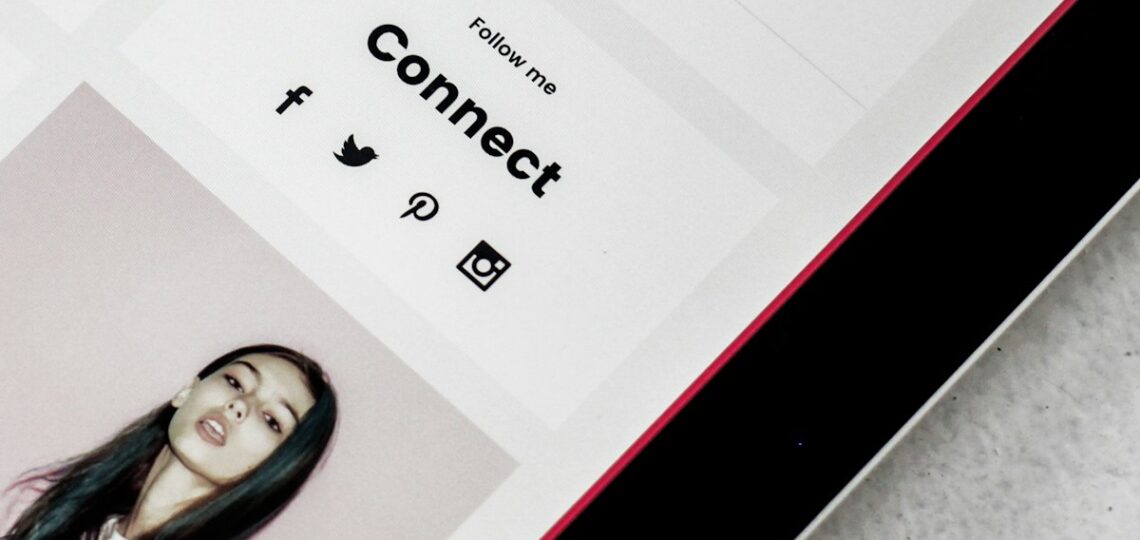
When I set out to build my personal brand online I know my blog’s design speaks before I ever say a word. A modern minimalist theme grabs attention with clean lines and plenty of white space letting my content shine without distractions. It’s more than just a trend—it’s a way to show professionalism and clarity in a crowded digital world.
Finding the right minimalist theme feels overwhelming with so many options out there. I want a style that matches my personality and supports my goals not just any cookie-cutter template. I’m here to share how I narrow down choices and pick a modern minimalist blog theme that elevates my personal brand.
Understanding Modern Minimalist Blog Themes
Modern minimalist blog themes focus on simplicity and function. These themes use neutral color palettes, sans-serif fonts, and generous white space for clarity. Clean layouts direct attention to key content blocks like the main post area and author image. Visual distractions stay minimal, keeping navigation uncluttered with only core menu options and icons.
Minimalist blog themes highlight personal branding elements. Profile photos, custom logos, and social links appear in prominent locations. By removing graphic excess, themes spotlight brand colors, photography, or messaging. Examples like “Astra”, “Hello” by Elementor, and “Minimal” from Themeforest rely on flexible grid layouts for easy customization.
Responsive design stays integral to every modern minimalist theme. These themes look consistent on mobile, tablet, and desktop. Modern code standards and lightweight frameworks keep load times fast, supporting SEO and user experience.
When I use a minimalist theme, my brand stands out through deliberate choices on color, typography, and layout, not through ornate design. That streamlined approach breeds recognition in a crowded market, as leading brands and bloggers show.
The Importance of Personal Branding in Blog Design
Personal branding in blog design lets me build recognition and trust with my audience. A distinct visual identity, including consistent use of color, typography, and layout, reinforces my expertise and personality each time readers visit my blog. Consistent elements like a recognizable logo, profile photo, and style guide connect all my content and create a memorable impression.
Modern minimalist blog themes focus on uncluttered layouts and clear presentation, which helps highlight my expertise and storytelling. By removing distractions, these themes direct attention to key content, making my voice and accomplishments the centerpiece. Higher readability and improved navigation result in longer site visits and stronger user engagement.
A well-crafted personal branding strategy in blog design signals professionalism and authenticity. Websites using clean, minimalist designs often appear more credible, according to usability studies, than those with busy layouts. Trust increases when readers quickly understand who I am and what I offer.
Optimized minimalist blog themes, such as FOTAWP and The Affairs, help reinforce my brand through SEO-friendly features and integrated tools for social sharing. With consistent branding and design, my blog stands out, supports audience growth, and enhances my reputation in competitive niches.
Key Features to Look for in Minimalist Blog Themes
Modern minimalist blog themes provide clean foundations for building a strong personal brand online. I focus on key features that support both visual clarity and functional branding when evaluating these themes.
Clean and Simple Layout
A clean and simple layout keeps my blog focused on content and brand visuals. Minimalist themes often use uncluttered interfaces, grid layouts, or single-page structures. Elements like generous white space, neutral color palettes, and clear navigation help my readers engage with my brand without unnecessary distractions.
Responsive and Mobile-Friendly Design
Responsive design ensures my blog adapts seamlessly to any device, from phones and tablets to desktops. Minimalist themes use fluid grids and flexible images to deliver fast loading and visual consistency everywhere. Google and leading SEO guides prioritize mobile-friendly sites for higher rankings, which directly impacts my online visibility.
Customization Options
Customization options let me tailor layouts, colors, and typography to match my brand identity. Leading minimalist themes integrate with page builders like Elementor or WordPress’s block editor, making brand-specific tweaks simple. Options such as custom logo uploads, widget areas, and multilingual support help me reinforce my personal branding and audience experience.
Where to Find Modern Minimalist Blog Themes
Finding a modern minimalist theme that reflects my personal brand means exploring trusted sources with a wide range of design options. I focus on marketplaces and developer websites that specialize in clean, easy-to-customize WordPress themes built for personal branding.
Popular Theme Marketplaces
Popular theme marketplaces give me access to a broad selection of minimalist blog templates ideal for personal branding. ThemeForest and TemplateMonster feature both multipurpose and niche designs, making it easy to compare different styles, layout options, and customization features side by side. I often explore the WordPress.org Theme Repository for free options like The Writers Blog and Meet Minimalist, which combine clear layouts with strong readability. These platforms provide user reviews, ratings, and live previews for efficient decision-making, helping me select themes that balance modern style, brand presence, and usability.
Theme Developer Websites
Dedicated theme developer websites offer minimalist themes designed with personal branding functionality. On Codecanel, I find portfolio- and resume-focused themes with timeline layouts, filterable galleries, and built-in calls to action that highlight my work and skills. CozyThemes delivers customizable blog themes such as FOTAWP and LancerFolio, both prioritizing sleek, distraction-free layouts that showcase my content and portfolio. Webnus specializes in popular personal blog designs like Typology, Malina, and The Blogger, integrating minimalism with social media tools and portfolio support. These developer platforms help me access high-quality themes featuring the clean, modern aesthetic I want, while ensuring customization flexibility to match my branding strategy.
Tips for Choosing the Right Theme for Your Brand
Selecting a modern minimalist blog theme directly shapes my personal brand’s visual impact and reputation. I focus on features that support my goals, from clean typography to mobile optimization and easy customization.
Aligning Design With Your Personal Identity
I ensure the design reflects my personal brand through consistent colors, fonts, and layouts that match my style and industry norms. Minimalist color schemes, for example, suit consulting, while spacious grids enhance artist portfolios. I incorporate my profile photo, custom logo, and social links for a professional, trustworthy appearance. Switching among header and homepage options lets me create a layout that supports my branding message across all key pages.
Testing User Experience and Performance
I review themes on multiple devices to confirm responsive layouts and seamless navigation. Fast loading times, SEO readiness, and mobile compatibility are critical for increasing engagement and reducing bounce rates. I use theme demos and previews, such as those offered by Brooklyn or Bridge, to evaluate navigation, readability, and calls to action before making a choice. Integration with WooCommerce or social platforms remains a priority for expanding my brand and monetizing content if needed.
Conclusion
Finding the perfect modern minimalist blog theme for personal branding is a journey that’s both exciting and rewarding. When I focus on the essentials—clarity, customization, and user experience—I’m able to build a blog that truly reflects my identity and values.
With the right theme, my content stands out and my brand gains the recognition it deserves. By making thoughtful design choices, I’m not just creating a blog—I’m shaping a memorable online presence that supports my goals and connects with my audience.
Frequently Asked Questions
Why is blog design important for building a personal brand?
A well-designed blog makes your brand memorable and trustworthy. Modern minimalist themes with clean lines, neutral colors, and ample white space help showcase your expertise and personality, making your blog stand out in a crowded digital landscape.
What features define a modern minimalist blog theme?
Modern minimalist blog themes focus on simplicity and usability. Key features include clean layouts, neutral color palettes, sans-serif fonts, generous white space, and flexible customization options for personal branding elements like profile photos and logos.
How does a minimalist theme improve user experience?
Minimalist themes reduce visual clutter, improving readability and helping visitors focus on your content. Responsive layouts ensure your blog looks great and functions smoothly on any device, boosting both user experience and SEO.
How can blog design boost SEO?
Clean, minimalist designs with responsive features and fast load times are favored by search engines. These themes make your site easier to navigate, which increases user engagement and helps enhance online visibility through better SEO.
What are the best sources for modern minimalist blog themes?
Popular theme marketplaces like ThemeForest and TemplateMonster offer many options for minimalist blog themes. You can also find free, high-quality themes on the WordPress.org Theme Repository or purchase from dedicated theme developers like Codecanel and CozyThemes.
What should I look for when choosing a minimalist blog theme?
Look for themes with a clean, simple layout, strong readability, mobile-friendly design, and easy customization for colors, fonts, and branding. Test user experience and performance on multiple devices before making a decision.
How do personal branding elements fit into minimalist blog themes?
Minimalist blog themes allow customization of essential branding elements like profile images, custom logos, and social links. Consistent use of colors, typography, and layout reinforces your unique brand and identity across your blog.
Do minimalist blog themes support social media and e-commerce integration?
Yes, quality minimalist themes often include tools for easy social sharing and seamless integration with e-commerce platforms, helping you expand your brand and monetize your content.
Are there SEO-friendly minimalist blog themes available?
Absolutely. Many modern minimalist themes, such as FOTAWP and The Affairs, come with built-in SEO features, fast load times, and structured layouts, helping to boost search rankings and reach a wider audience.
How can I test a theme before using it on my blog?
Most theme providers offer live demos and previews. Testing themes in demos lets you evaluate usability, loading times, and how your branding elements fit, ensuring you select one that suits your goals and audience.